
TENS Machines and Endometriosis: Drug-Free Relief for Australia’s Most Underdiagnosed Condition
April 14, 2026
How to Relieve Lower Back Pain Fast (At Home)
April 15, 2026
Introduction
Lower back pain is one of the most common health issues in Australia — affecting tradies, office workers, parents, and athletes alike.
The good news?
Most cases can be managed effectively at home with the right approach.
In this guide, we’ll break down:
- What causes lower back pain
- The most effective treatments
- How TENS machines can help
- And how to choose the right solution for you
What Causes Lower Back Pain?
Lower back pain isn’t one-size-fits-all. The cause determines the best treatment.
Common causes include:
- Muscle strain
Often from lifting, twisting, or overuse - Poor posture
Long hours sitting or standing incorrectly - Herniated or bulging discs
Can lead to nerve pain or sciatica - Sciatica
Pain radiating down the leg from nerve compression - Arthritis or degeneration
More common with age
👉 Understanding the cause helps you treat it faster.
Symptoms of Lower Back Pain
Symptoms vary depending on the cause, but typically include:
- Dull, constant ache
- Sharp or stabbing pain
- Tightness or stiffness
- Pain that worsens with movement
- Radiating pain down the leg (sciatica)
Best Treatments for Lower Back Pain
Most people don’t need surgery. These treatments are commonly used:
✅ Movement & Exercise
Gentle stretching and strengthening help prevent stiffness.
✅ Heat & Ice Therapy
- Ice → for inflammation
- Heat → for muscle relaxation
✅ Over-the-Counter Pain Relief
Provides temporary relief but doesn’t address the root cause.
✅ Physiotherapy
Helps with long-term recovery and movement correction.
✅ TENS Machines (Drug-Free Option)
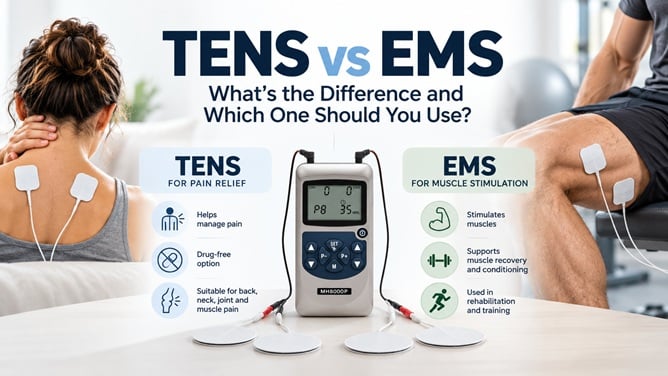
A TENS (Transcutaneous Electrical Nerve Stimulation) machine sends small electrical pulses through the skin to help manage pain.
👉 Many Australians use TENS machines as part of their at-home pain management routine.
Do TENS Machines Work for Lower Back Pain?
TENS machines are widely used for back pain because they may help:
- Reduce pain signals sent to the brain
- Encourage natural pain relief responses
- Provide targeted relief where you need it
They’re:
- Drug-free
- Portable
- Easy to use at home
👉 For many people, they’re a practical addition to other treatments like exercise and physio.
How to Use a TENS Machine for Back Pain
Pad Placement
Correct placement is key.
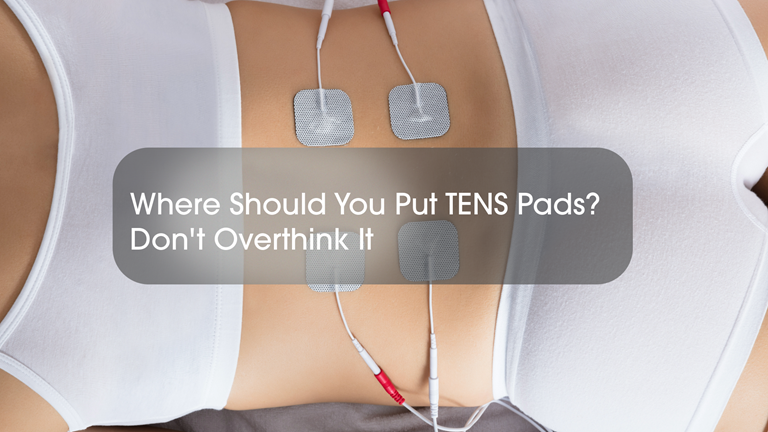
👉 Place pads:
- On either side of the pain
- Along the lower back muscles
- Not directly on the spine
Session Guidelines
- Start with 15–30 minutes
- Use 1–2 times per day
- Adjust intensity to a strong but comfortable level
Consistency Matters
TENS works best when used regularly, not just when pain peaks.
Best TENS Machines for Lower Back Pain (2026)
When choosing a TENS machine, look for:
- Adjustable intensity levels
- Multiple modes
- Reliable electrode pads
- Easy-to-use controls
👉 Recommended options:
- Entry-level (great for beginners) – MH6000P Starter Bundle
- Mid-range (best value) – MH8000P Starter Bundle
- Premium (maximum features) – MH8001 Starter Bundle
When Should You See a Doctor?
Seek medical advice if you experience:
- Severe or worsening pain
- Numbness or weakness
- Loss of bladder/bowel control
- Pain after injury or trauma
FAQs About Lower Back Pain & TENS Machines
Does a TENS machine help sciatica?
It may help manage discomfort by targeting nerve-related pain in the lower back and leg.
Where should I place TENS pads for back pain?
On either side of the pain — not directly on the spine.
Can I use a TENS machine every day?
Yes, many people use them daily as part of their routine.
How long does it take to feel results?
Some people feel relief during use, while others benefit from consistent sessions over time.
Looking for a simple, drug-free way to manage back pain?
👉 Explore our range of TENS machines designed for everyday use: [Shop TENS Machines for Back Pain]