
Why Arthritis Often Feels Worse in Winter (And What You Can Do About It)
May 29, 2026
Best TENS Machine for Arthritis (Australia 2026 Guide)
May 29, 2026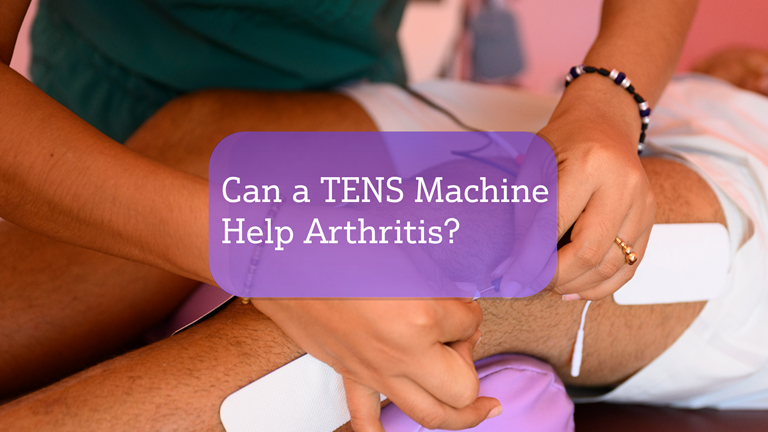
If you live with arthritis, you know that some days can be harder than others.
Stiff joints, reduced mobility, and ongoing discomfort can make everyday activities more challenging, whether it’s climbing stairs, gardening, opening jars, or simply getting moving in the morning.
Many people look for ways to manage arthritis pain beyond medication alone, which leads to a common question:
Can a TENS machine help arthritis?
The answer is that many Australians use TENS machines as part of their overall arthritis pain management strategy, often alongside exercise, physiotherapy, heat therapy and advice from their healthcare professional.
Let’s take a closer look at how TENS works and why it has become a popular option for arthritis sufferers.
What Is Arthritis?
Arthritis is a condition that affects the joints.
The two most common forms are:
Osteoarthritis
Osteoarthritis occurs when the protective cartilage that cushions joints gradually wears away over time.
It commonly affects:
- Knees
- Hips
- Hands
- Spine
- Feet
It is the most common form of arthritis in Australia.
Rheumatoid Arthritis
Rheumatoid arthritis is an autoimmune condition where the immune system attacks the lining of the joints.
Symptoms often include:
- Pain
- Swelling
- Stiffness
- Fatigue
It commonly affects joints on both sides of the body.
What Is a TENS Machine?
TENS stands for Transcutaneous Electrical Nerve Stimulation.
A TENS machine uses adhesive electrode pads placed on the skin to deliver gentle electrical pulses.
These pulses stimulate nerves in the treatment area and are commonly used for managing pain.
TENS machines are:
✅ Drug-free
✅ Portable
✅ Easy to use at home
✅ Suitable for many parts of the body
How Does a TENS Machine Work?
While researchers continue to study exactly how TENS works, two commonly accepted theories are:
1. Pain Signal Interference
The electrical stimulation may help reduce the pain signals being sent to the brain.
2. Natural Pain Relief Response
TENS may encourage the body’s natural pain-relieving mechanisms, helping some people feel more comfortable during and after treatment.
Can TENS Help Osteoarthritis?
Many people use TENS machines for osteoarthritis, particularly in the:
- Knees
- Hips
- Lower back
- Hands
- Shoulders
The goal is not to cure arthritis or reverse joint changes.
Instead, TENS is typically used to help manage symptoms and improve comfort.
For some people, this may make it easier to:
- Stay active
- Exercise
- Complete daily tasks
- Participate in rehabilitation programs
Can TENS Help Rheumatoid Arthritis?
People with rheumatoid arthritis also commonly use TENS machines to help manage joint discomfort.
Because rheumatoid arthritis is an inflammatory autoimmune condition, treatment should always be guided by a healthcare professional.
However, many people find TENS can be a useful addition to their broader management plan.
Common Areas People Use TENS for Arthritis
Knee Arthritis
Knee osteoarthritis is one of the most common reasons people purchase a TENS machine.
Symptoms may include:
- Pain when walking
- Stiffness after sitting
- Difficulty climbing stairs
- Reduced mobility
TENS pads are typically placed around the knee joint rather than directly over the kneecap.
Hand Arthritis
Hand arthritis can make everyday tasks difficult.
People commonly experience discomfort when:
- Gripping objects
- Writing
- Using tools
- Opening containers
Smaller electrode pads are often used when treating the hands.
Hip Arthritis
Hip arthritis may cause discomfort during:
- Walking
- Standing
- Sleeping
Pad placement is usually around the muscles surrounding the hip joint.
Lower Back Arthritis
Arthritis affecting the spine can contribute to lower back pain and stiffness.
Many people use TENS machines on the muscles surrounding the affected area.
Tips for Using a TENS Machine for Arthritis
To get the best results:
Use it regularly
Many users find consistency more helpful than occasional use.
Start with a comfortable intensity
The strongest setting isn’t always the most effective.
Aim for a strong but comfortable sensation.
Keep spare pads available
Old or worn pads can affect performance and comfort.
Fresh pads often improve the experience significantly.
Stay active
TENS works best as part of a broader arthritis management plan that may include:
- Exercise
- Physiotherapy
- Weight management
- Healthy lifestyle habits
Choosing the Best TENS Machine for Arthritis
When selecting a TENS machine, look for:
Adjustable intensity levels
Allows you to customise treatment.
Multiple treatment modes
Different programs can provide different sensations.
Easy-to-use controls
Especially important for users with hand arthritis.
Reliable pads and accessories
Quality consumables improve performance and comfort.
Frequently Asked Questions
Can a TENS machine cure arthritis?
No. TENS machines do not cure arthritis or reverse joint damage.
They are commonly used to help manage pain and discomfort.
Can I use a TENS machine every day?
Many people use TENS machines daily as part of their routine.
Always follow the instructions supplied with your device.
Is TENS suitable for knee arthritis?
Yes. Knee osteoarthritis is one of the most common reasons people use TENS machines.
Is TENS suitable for hand arthritis?
Many people use TENS on the hands using appropriately sized electrode pads.
Final Thoughts
Arthritis can be challenging, particularly during colder months when stiffness and discomfort often become more noticeable.
While there is no cure for arthritis, many Australians use TENS machines as part of a broader approach to managing pain and maintaining mobility.
Combined with exercise, healthy lifestyle habits and professional medical advice, TENS can be a practical, drug-free option worth considering.
Looking for a TENS Machine for Arthritis?
Explore our range of easy-to-use TENS machines designed for everyday use at home.
👉 Shop TENS Machines Australia